Paimio Chair 3D Model
Specifications
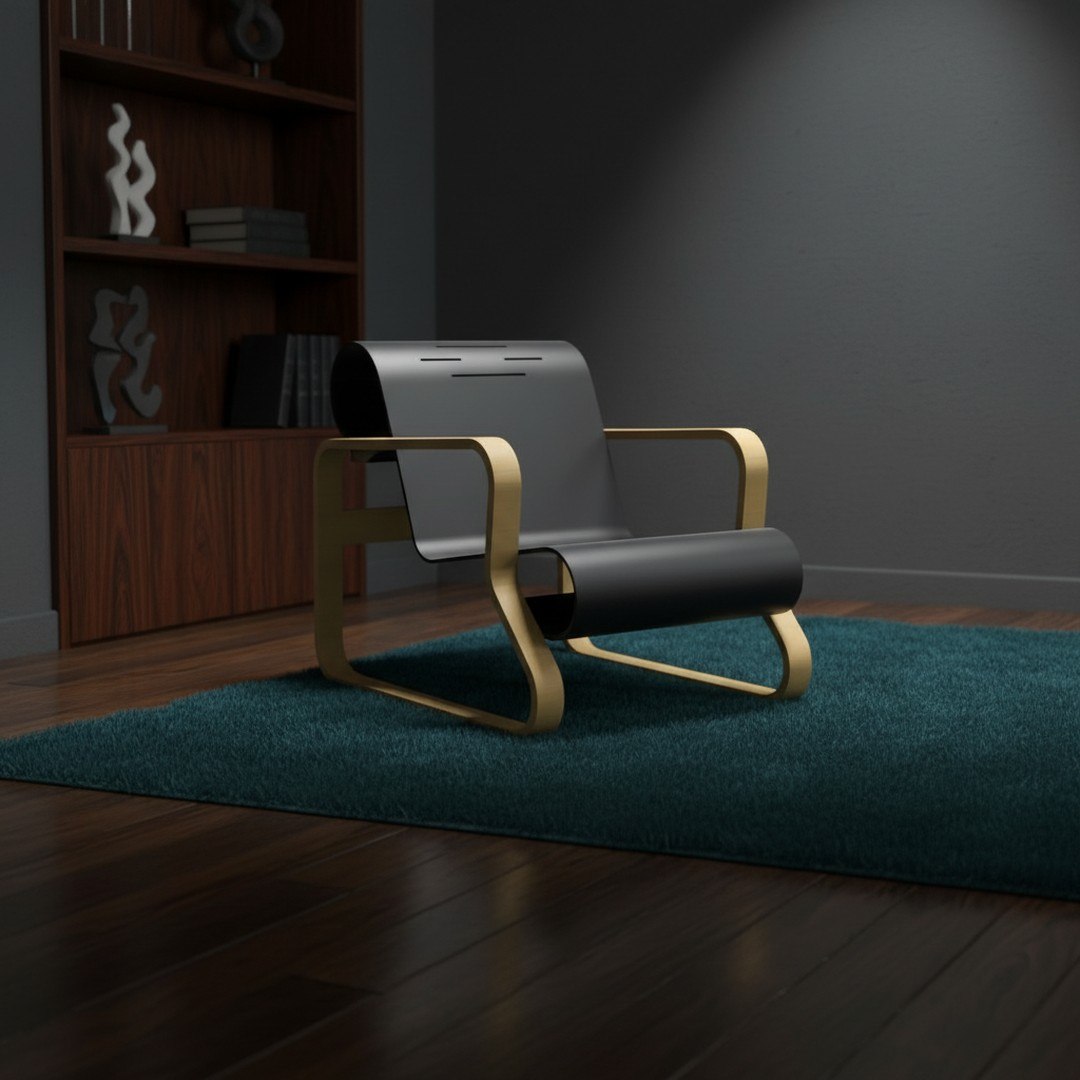
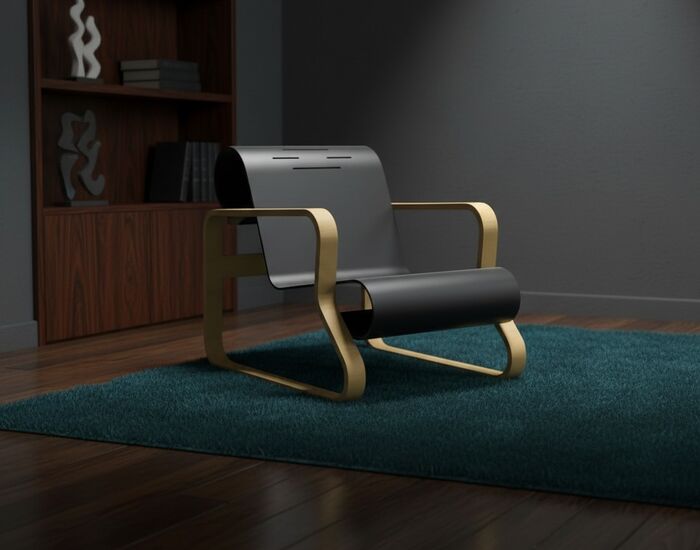
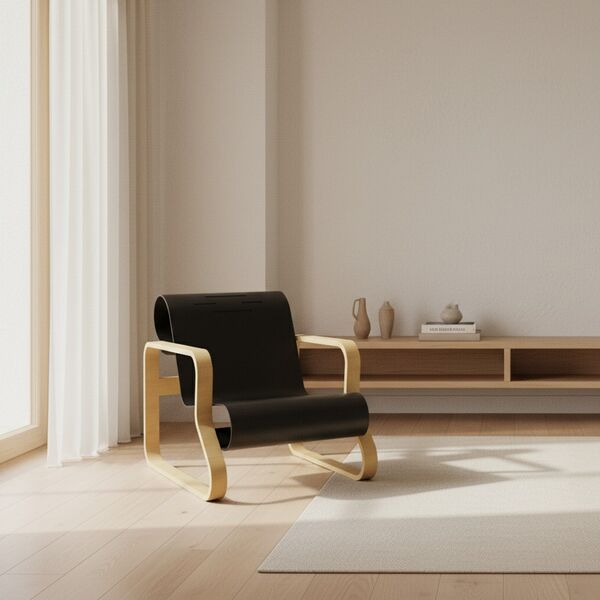
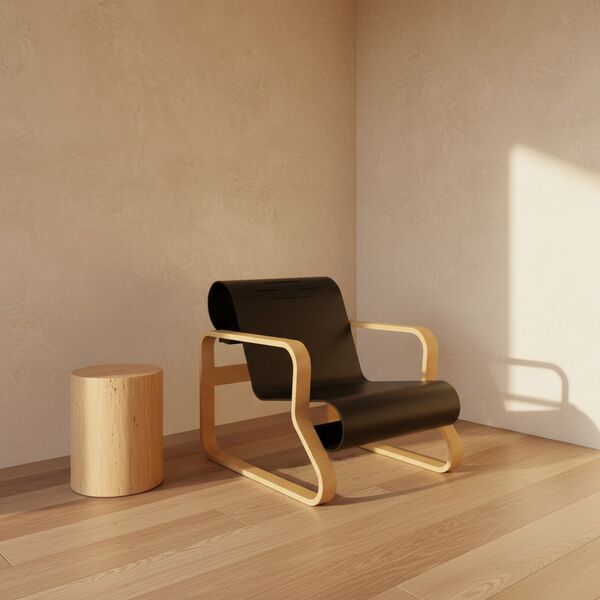
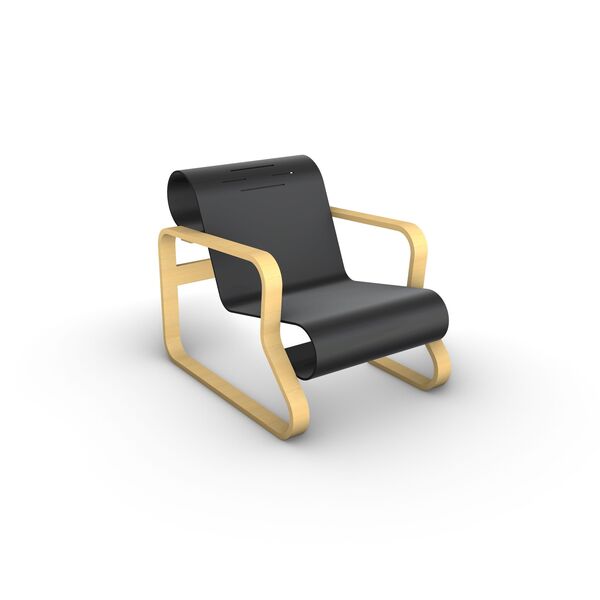
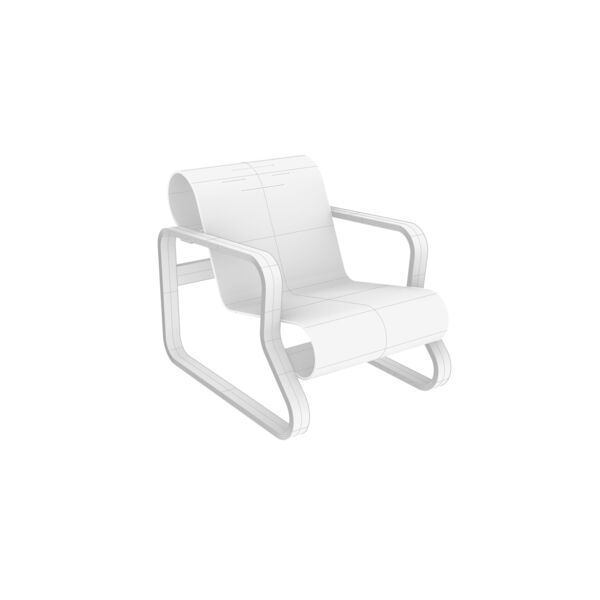
Paimio Chair is a high-quality model modeled in NURBS, divided by layer to handle different elements and materials of the model more efficiently.
The model has a fully textured, detailed design that allows close-up renders.
3d file is originally modeled in Rhinoceros, and the preview is done with Rhinoceros Render view and has no postprocessing.
Paimio Chair 3D Model
 NURBS
NURBS
Frequently asked questions
What 3D file formats are included with this model?
What license do I get?
Can I use this model commercially?
Is this 3D model an exact replica of the original product?
Related Products
3DModel Unity
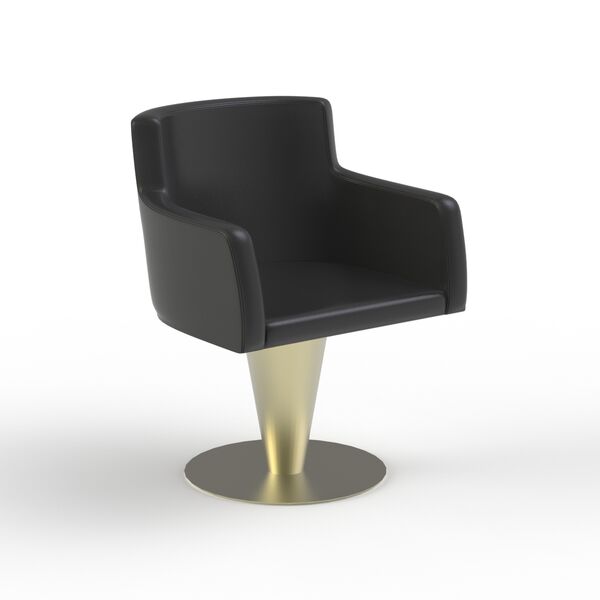
Hairdresser Leather Armchair 01 3D Model
 NURBS
NURBS
Knoll
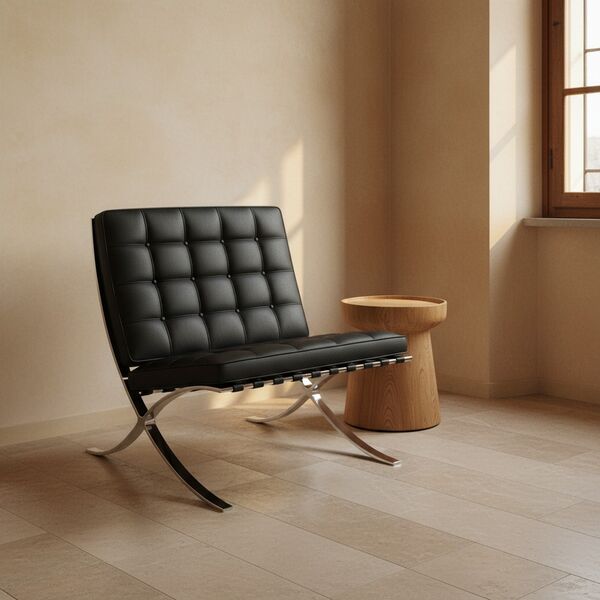
Barcelona Chair 3D Model
 NURBS
NURBS
Cassina
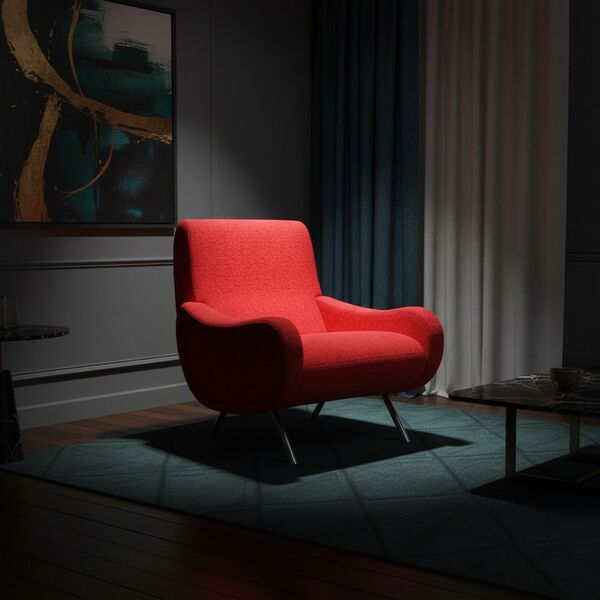
720 Lady Armchair 3D Model
 NURBS
NURBS
Magis
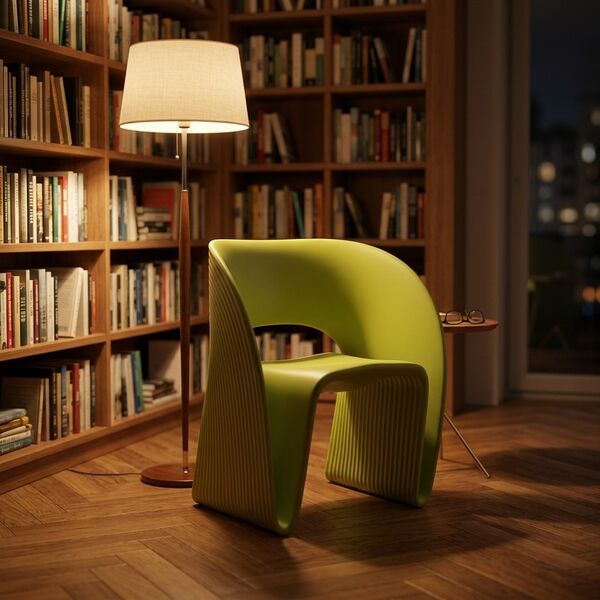
Raviolo Chair 3D Model
3DModel Unity
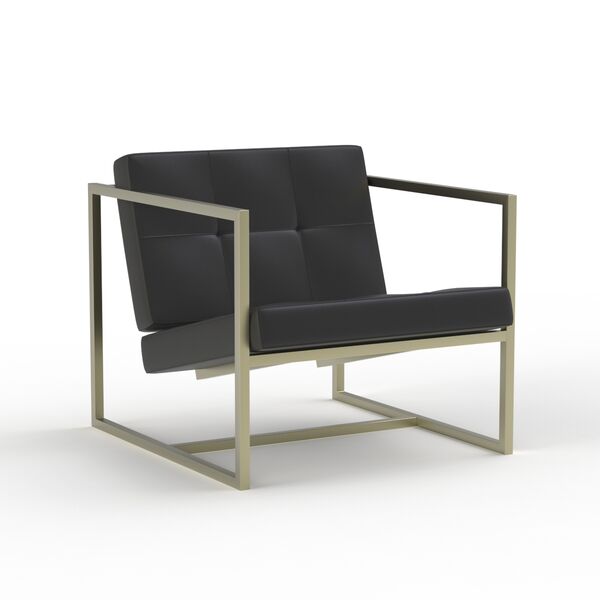
Leather Living Room Armchair 04 3D Model
 NURBS
NURBS
Magis
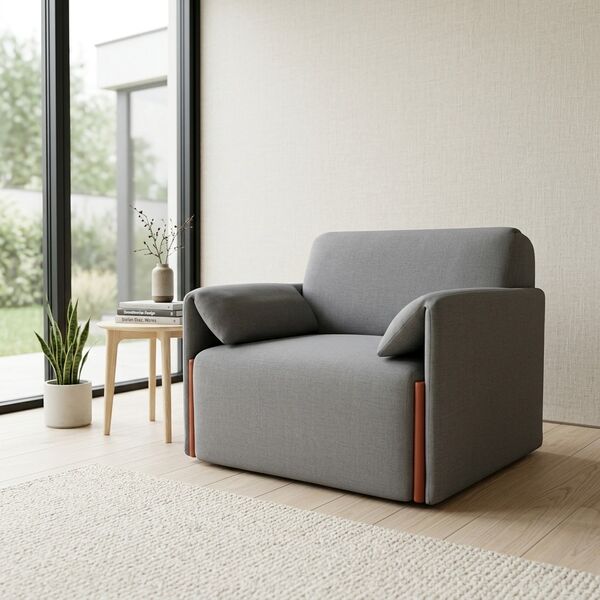
Costume Armchair-d93-86-74 3D Model
Paimio Chair 3D Model
The Paimio Chair is a modernist furniture design created by Finnish architect and designer Alvar Aalto in 1931. The chair was originally designed for a tuberculosis sanatorium in Paimio, Finland, and is known for its distinctive curved wooden frame and ergonomic design. The Paimio Chair was designed to provide maximum comfort for patients who were recovering from lung disease and needed to sit in an upright position. The chair features a curved wooden seat and backrest that conforms to the natural curve of the human spine, providing support and comfort. The frame is made from bent laminated birch wood, which gives the chair its distinctive sculptural form. The Paimio Chair is considered a masterpiece of modern furniture design and is now produced by the Finnish design company Artek.
Alvar Aalto
Alvar Aalto (1898-1976) was a Finnish architect and designer known for his humanistic approach to modernism. He was a major figure in 20th-century architecture, with a career spanning five decades and numerous notable buildings across the world. Aalto's designs were known for their use of natural materials, such as wood and stone, and his integration of organic forms with functionalist principles.
Aalto studied architecture at the Helsinki University of Technology and later worked for several architects before establishing his own practice in 1923. His early work was heavily influenced by Scandinavian Classicism, but he soon began to experiment with modernist principles, incorporating them into his own unique style.
Throughout his career, Aalto designed a wide range of buildings, including private homes, public buildings, and industrial complexes. Some of his most notable works include the Finlandia Hall in Helsinki, the Baker House at MIT, and the Paimio Sanatorium in Turku, which is considered a masterpiece of modernist architecture.
In addition to his architectural work, Aalto was also a prolific designer, creating furniture, lighting, and other household objects. His designs were characterized by their simplicity and functionality, and many of them are still produced and sold today.
Aalto received numerous awards throughout his career, including the AIA Gold Medal and the Royal Gold Medal for Architecture. He was also a professor at the Massachusetts Institute of Technology and the Helsinki University of Technology.
Today, Aalto's influence can be seen in the work of many contemporary architects and designers, and his legacy continues to inspire new generations of artists and creators.
Artek
Artek is a Finnish furniture company founded in 1935 in Helsinki by Alvar Aalto, Aino Aalto, Maire Gullichsen and Nils-Gustav Hahl. The name combines the words art and technology, reflecting the modernist principles of the founding manifesto: to sell furniture and to promote a modern culture of living through exhibitions and educational work.
The catalog is built around the work of Alvar Aalto, including the Stool 60 (1933, designed for the Viipuri Library), the Chair 66, the Armchair 41 Paimio and the lamp series A330S. The collection has expanded with pieces by Tapio Wirkkala, Ilmari Tapiovaara, Naoto Fukasawa and Konstantin Grcic. Artek has been part of the Vitra group since 2013.
The 3D Model Unity catalog of Artek includes high-precision NURBS models built for Rhinoceros 3D, with native rendering profiles for V-Ray, KeyShot and Corona, suitable for residential, contract and museum reference projects.